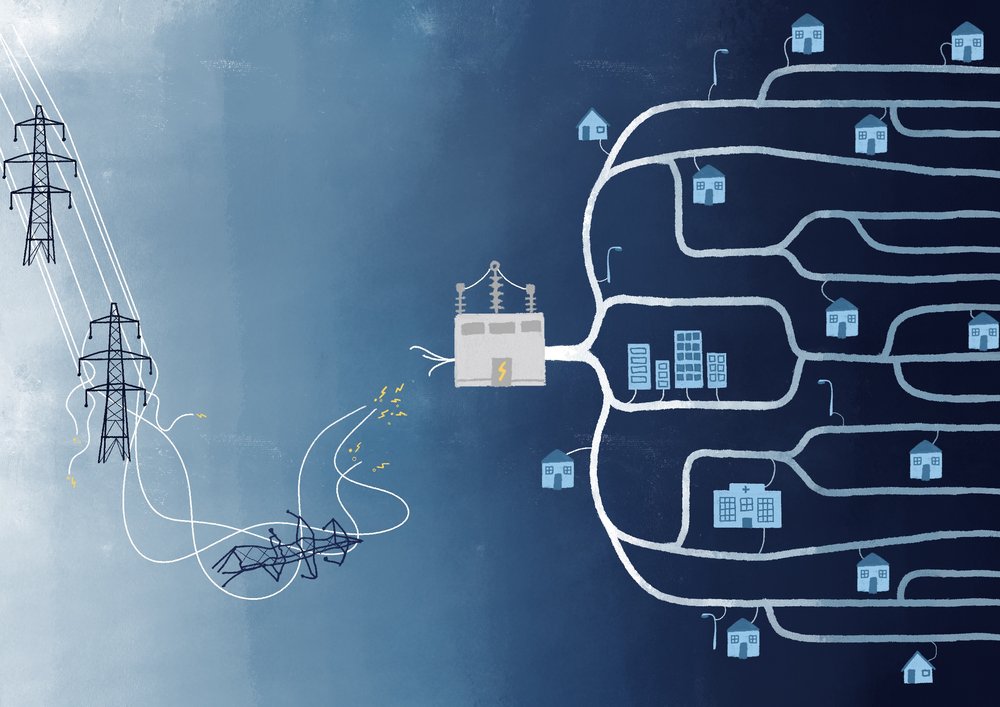
Te Pūnaha Matatini Collaboration
Te Pūnaha Matatini Collaboration
Over the past three years Toi Āria has been working with researchers at Te Pūnaha Matatini to explore collaborative storytelling.
Pairing researchers, academics and scientists with illustrators (and a little editing) has culminated in a collection of short, descriptive tales of complexity. Once a week for four weeks the writer(s) connect with illustrators Jean Donaldson or Hanna Breurkes and one of the two editors, Anna Brown (Toi Āria) or Jonathan Burgess (Te Pūnaha Matatini) to develop their ideas. They discuss what concept or idea might be good to write about and that the tone is directed to a lay reader and not their academic community. How would they describe what they do to an 11 year old? Or a 65-year old? How will they explain transcendental information cascades? Or the night-time habits of our most famous native bird?
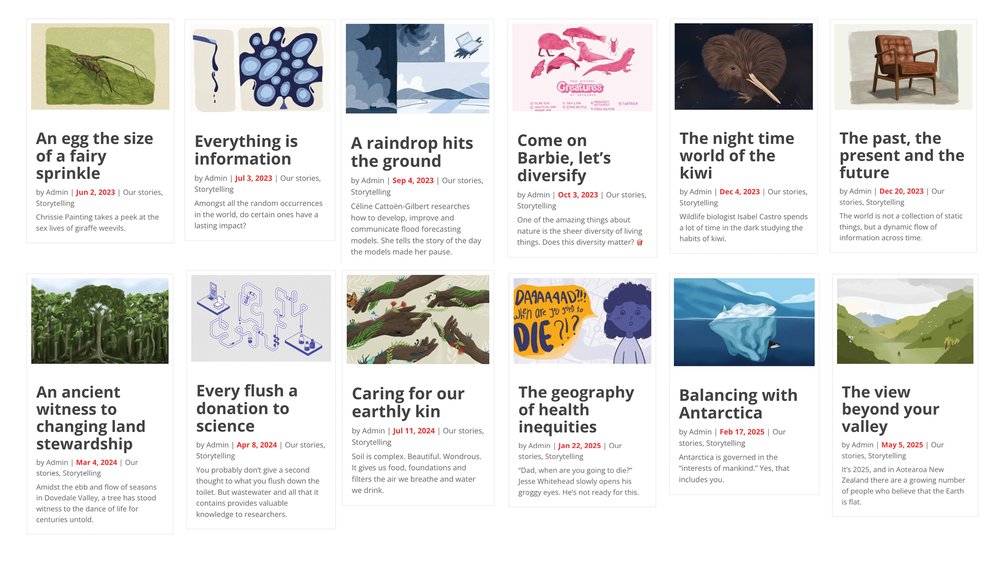
These stories are first published on Te Pūnaha Matatini’s website. The challenge laid down for our writers was to make a single point about their work through story. The writers and their topics are diverse. They come from around the world, but all call Aotearoa home. They range from early career researchers to established professors. They share the stories of Māori and Pacific young women, explore modelling in complex disaster scenarios, and bring us out into the field with them.
At Te Pūnaha Matatini, the researchers deal with complexity in all its many guises. The lens of complexity offers a valuable way to understand and engage with the world we find ourselves in, a couple of decades into the 21st century.
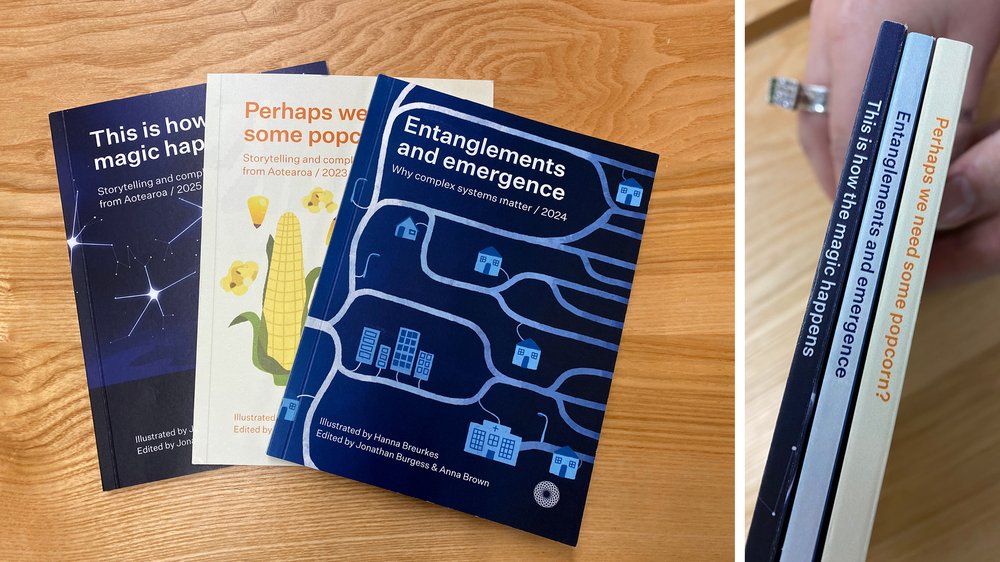
Soon we realised there was an opportunity to bring these stories into printed collections. We now have three collections!
Some of the stories told are very personal, like Claire Grant’s exploration of different approaches to water scarcity in Hawke’s Bay through the nostalgia of childhood trips along the Makaroro with her dad, or Céline Cattoën-Gilbert’s poetic look behind the scenes at the weight of responsibility that sits on a modellers shoulders as a potentially catastrophic weather event approaches. Hamza Ajmal continues the poetic tone set by Céline in his exploration of time and information via Greek and Islamic philosophy and mātauranga Māori.
Some pieces are a lot of fun. One finds Chrissie Painting out in a tangle of logs and vines for hours following the sex life of a particular giraffe weevil through her binoculars, another finds Will Godsoe and Kirsten Locke rethinking the importance of diversity through a trip to Barbie Land. Isabel Castro takes us onto an island at night, as she encourages her students to experience the world like a kiwi.
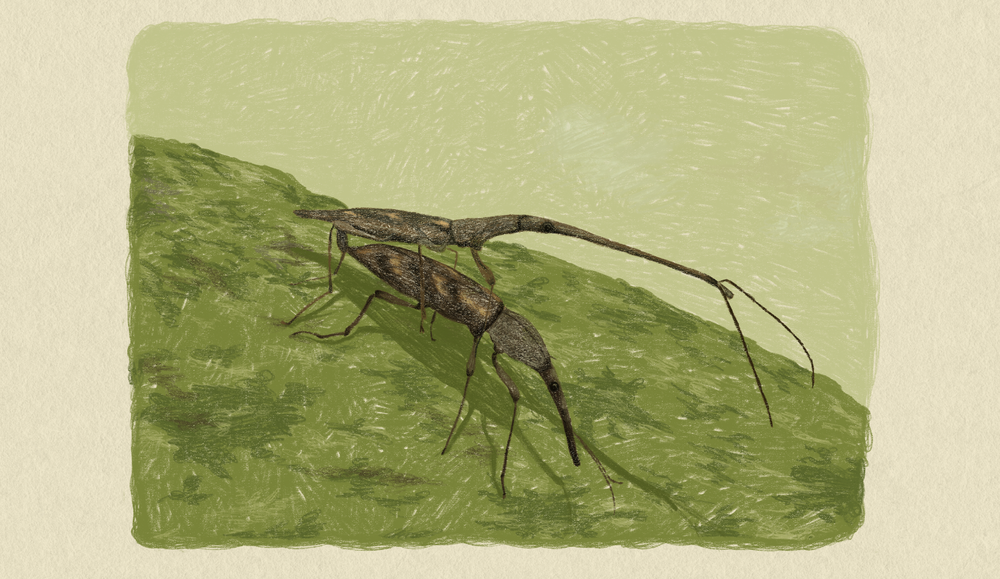
Jean and Hanna's roles are not to ‘illustrate’ the ideas. Rather the illustrations provide an additional layer of narrative — and tell a visual story that amplifies and expands the words. They are able to ask the elemental questions that academics often forget in trying to talk about their work, such as ‘why is ecological diversity important in the first place?’
The science of complexity is challenging, so this collection of stories offers a way into the world of complex systems for people who might find it too technical. And the small slice of transdisciplinarity that happens when we bring together an academic expert, an illustrator and an editor shows how we do our best work when we work together.